
Agricultural Sciences is a misunderstood subject. It is not just about “farming”; it is a rigorous science subject that requires you to understand the biology of a cow’s stomach, the chemistry of soil, the mathematics of genetics, and the economics of selling produce.
The exam is split into two papers, covering very different skills. Paper 1 is pure Biology (Animals), while Paper 2 mixes Business (Management) with advanced Genetics. This guide breaks down the curriculum based on the Examination Guidelines to help you balance your study time.
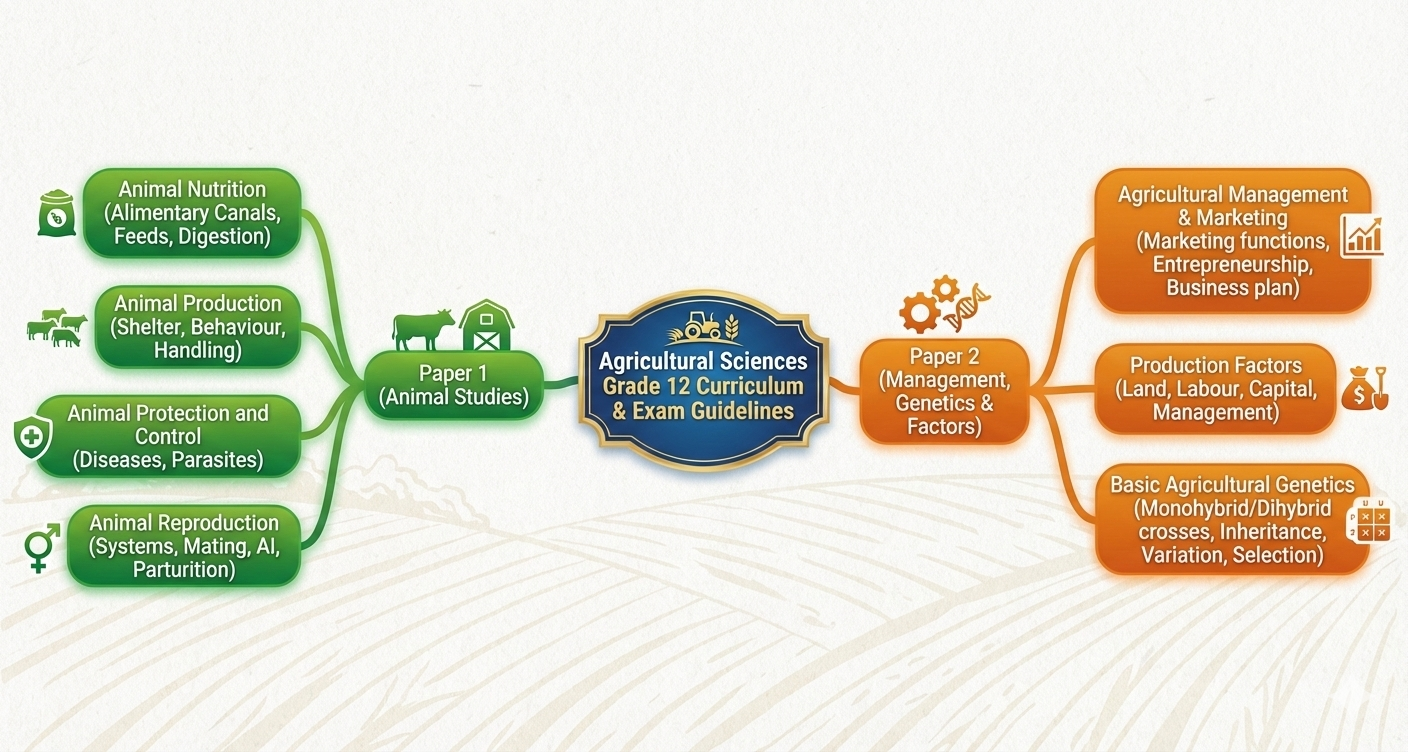
Paper 1: Animal Studies (150 Marks)
This paper focuses on the biology and management of farm animals. It is content-heavy.
1. Animal Nutrition (±50 Marks)
This is the foundation of the paper. You must master the digestive systems.
- Ruminants vs. Non-Ruminants: You will almost certainly get a diagram of the Ruminant Stomach. You must be able to label the four chambers (Rumen, Reticulum, Omasum, Abomasum) and explain how microbes digest cellulose.
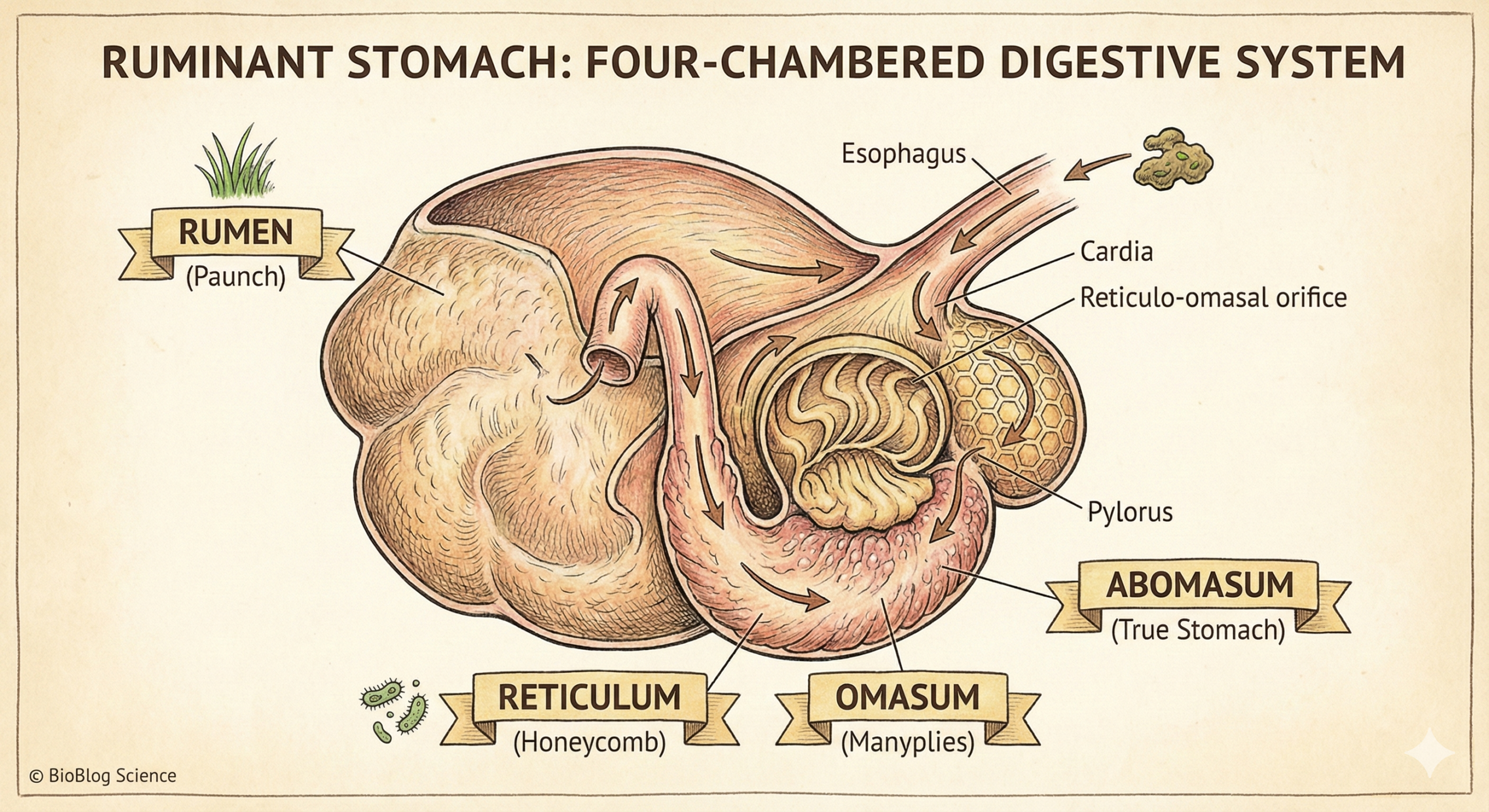
Tutor Tip: Remember the flow. Food goes to the Rumen (fermentation) \rightarrow Reticulum (honeycomb) \rightarrow Omasum (water absorption) \rightarrow Abomasum (true stomach/enzymes).
- Feed Calculations: You will be asked to calculate the Nutritive Ratio (NR). Memorize the formula. A narrow ratio (1:3) means high protein (for growth/milk), while a wide ratio (1:10) means high energy (fattening).
2. Animal Production, Protection & Control (±50 Marks)
- Production Systems: Understand the trade-offs between Intensive (feedlot, battery cages) and Extensive (free-range) farming. Intensive systems have higher output but higher disease risk and cost.
- Diseases: This is a memory game. You need to know specific examples for each category:
- Viral: Foot-and-mouth disease (highly contagious).
- Bacterial: Anthrax (zoonotic – can infect humans).
- Protozoal: Redwater (transmitted by ticks).
- Fungal: Ringworm.
- Exam Alert: Don’t just say “give medicine.” Know if it needs a vaccine (viral) or antibiotics (bacterial).
3. Animal Reproduction (±50 Marks)
- The Estrus Cycle: You need to understand the hormones. Estrogen triggers the heat signs, while Progesterone maintains pregnancy.
- Artificial Insemination (AI): Why do farmers use it? It’s not just “easier.” It allows them to use superior genetics from a bull in another country, prevents venereal diseases, and is cheaper than keeping a bull.
Paper 2: Management & Genetics (150 Marks)
This paper combines business skills with advanced biology.
1. Agricultural Management & Marketing (±50 Marks)
- Marketing: The “4 Ps” (Product, Price, Place, Promotion) are standard, but you must apply them to agriculture. How does the perishability of milk affect its “Place” (distribution)?
- SWOT Analysis: You will be given a case study of a farm. You must identify the Strengths (good soil), Weaknesses (old tractor), Opportunities (export market), and Threats (drought).
- Business Plans: Know the difference between a Cash Flow Statement (future prediction) and a Balance Sheet (current snapshot).
2. Basic Agricultural Genetics (±50 Marks)
This is the “Science” part of Paper 2. It overlaps heavily with Life Sciences.
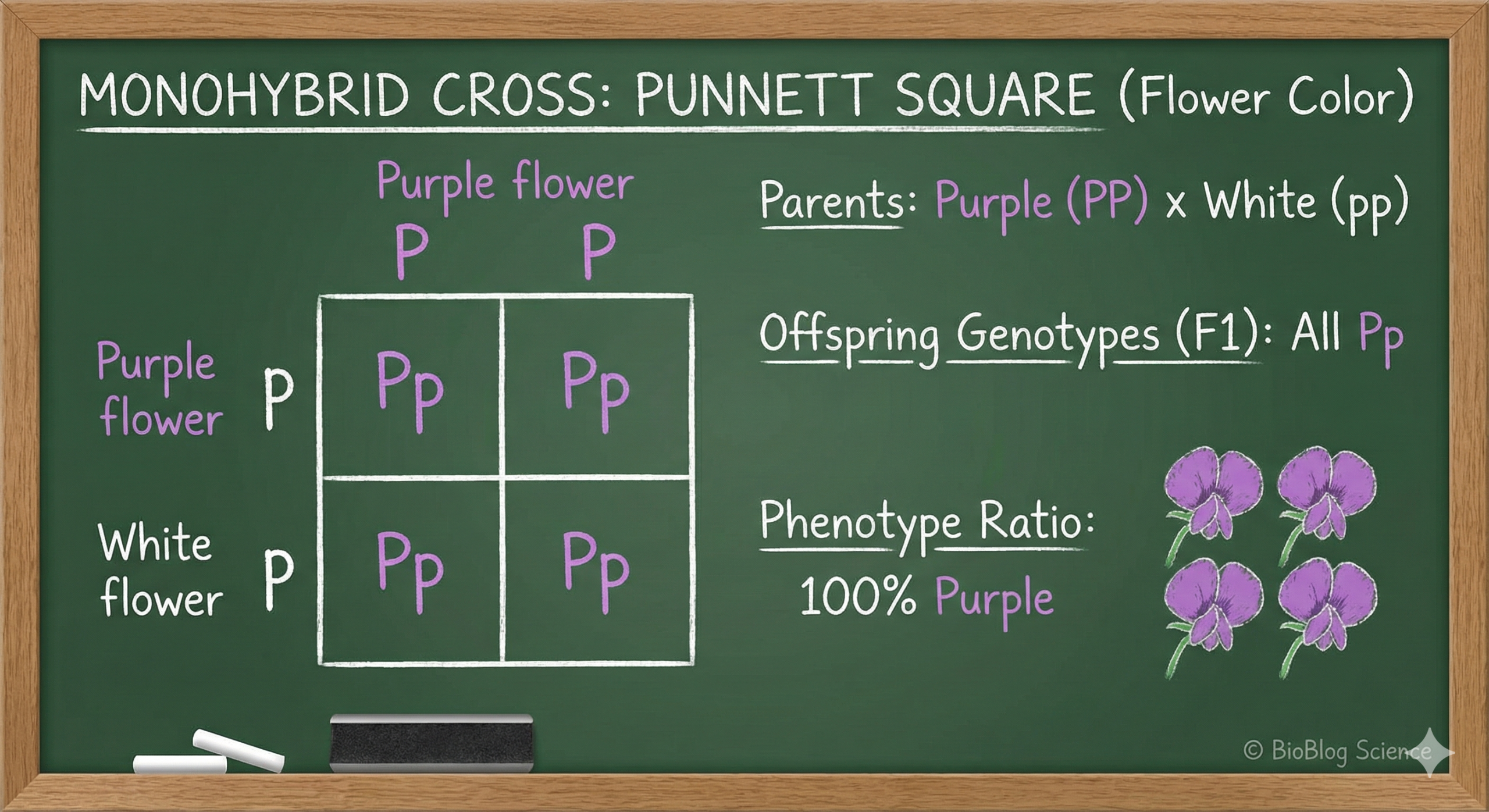
- Crosses: You must be perfectly comfortable drawing Punnett Squares.
- Monohybrid Cross: One trait (e.g., Black vs. Red coat).
- Dihybrid Cross: Two traits (e.g., Black & Tall vs. Red & Short). Remember the 9:3:3:1 ratio for a heterozygous dihybrid cross.
- Terminology: Don’t mix up Genotype (the genes, e.g., Bb) with Phenotype (what it looks like, e.g., Black).
3. Production Factors (±50 Marks)
- Land, Labour, Capital, Management: These are the four pillars.
- Labour Legislation: Questions often ask about the rights of farm workers. Know the basics of the Basic Conditions of Employment Act (BCEA) regarding working hours and leave.
Decksh’s Top 3 Tips for a Distinction
Tip 1: Don’t Guess the “Diseases”
In Paper 1, questions are very specific. If they ask for a “bacterial disease affecting cows,” and you write “Rabies” (which is viral), you get zero.
- The Fix: Make a study table with four columns: Name | Type (Virus/Bacteria) | Symptoms | Treatment. Memorize one example perfectly for each type.
Tip 2: Master the Genetics Calculations
Genetics is logic, not memory. It is usually worth 20–30 marks in Paper 2.
- Practice doing Punnett squares until you can predict the outcome of any cross without thinking.
- Always write the “Format” out: P1 (Parents), Gametes, Fertilization, F1 (Offspring). Marks are awarded for the layout, not just the answer.
Tip 3: Know Your Diagrams
In Paper 1, you will definitely get a diagram to label. It is usually:
- The Ruminant Stomach.
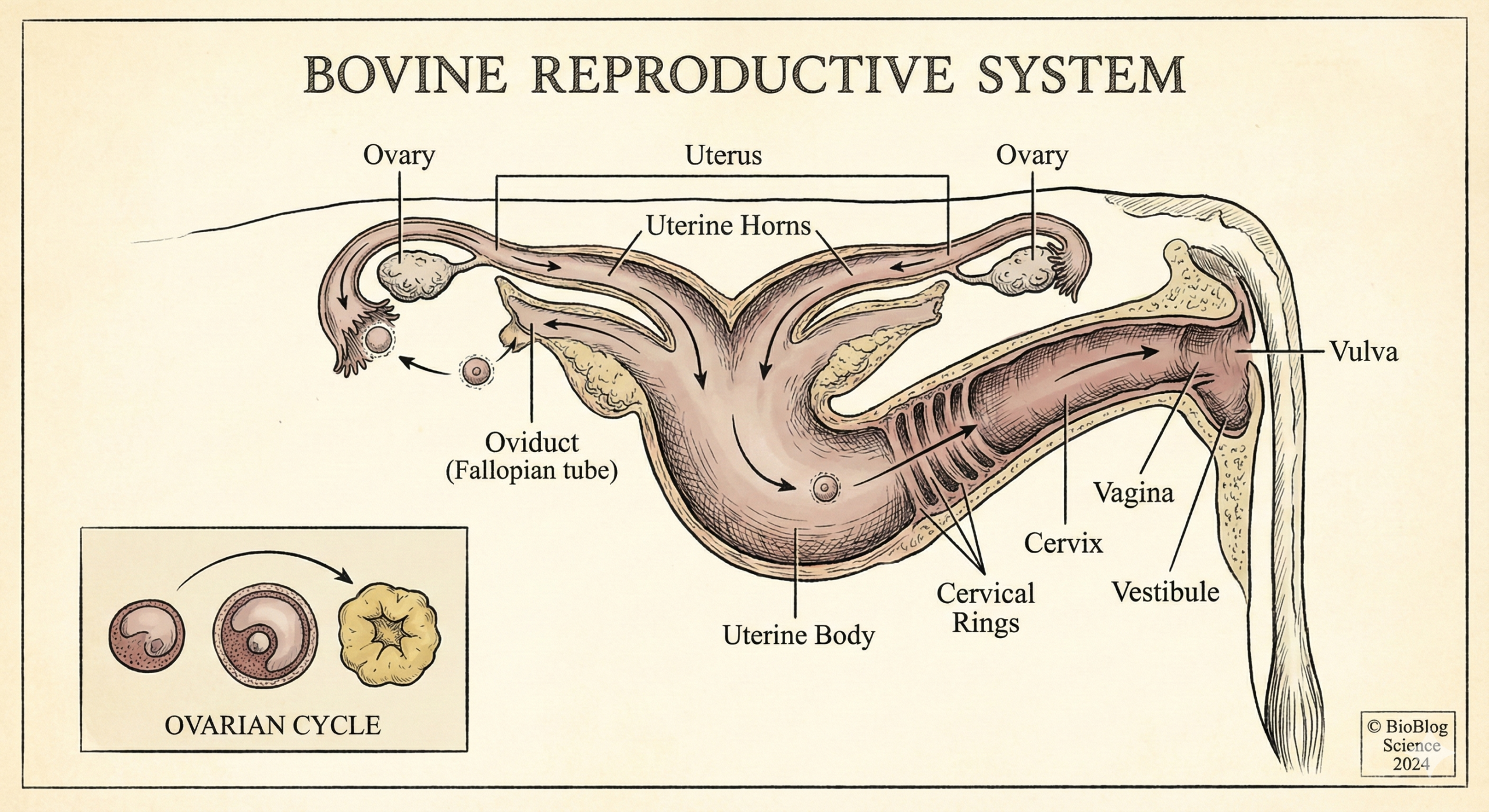
- The Reproductive System (Cow or Bull).
- The Udder.
Don’t lose easy marks here. Learn the scientific names (e.g., “Oviduct” or “Fallopian tube,” not “egg tube”).
Conclusion
Agricultural Sciences is a mix of theory and practical application. Paper 1 requires deep biological knowledge, while Paper 2 requires business sense and genetic logic. If you treat the farm like a business and the animal like a biological system, you will ace this subject.
Good luck with your Matric Finals!